
Top Times for Aurora Viewing in Iceland: When to Catch the Northern Lights
- Feb 15
- 5 min read
Iceland is a land of magic and mystery, where nature’s most spectacular light show dances across the night sky. The Northern Lights, or aurora borealis, are a breathtaking phenomenon that draws travellers from all corners of the globe. But when exactly is the best time to witness this celestial ballet? I’ve spent countless nights under Iceland’s vast skies, chasing the elusive glow. Let me share everything I’ve learned about the top times for Northern Lights in Iceland, so you can plan your luxury retreat perfectly.
Discovering the Magic of Aurora Viewing in Iceland
Aurora viewing in Iceland is not just about catching a glimpse of shimmering colours. It’s an immersive experience that connects you deeply with the raw, untouched wilderness. The Northern Lights appear when charged particles from the sun collide with Earth’s atmosphere, creating waves of green, pink, and violet light. Iceland’s location near the Arctic Circle makes it one of the best places on Earth to witness this spectacle.
The best time to see the Northern Lights in Iceland is during the darker months when the skies are clear and the nights are long. From late September to mid-April, the nights stretch out, giving you ample opportunity to catch the aurora. But it’s not just about the calendar. Weather conditions, solar activity, and light pollution all play crucial roles.
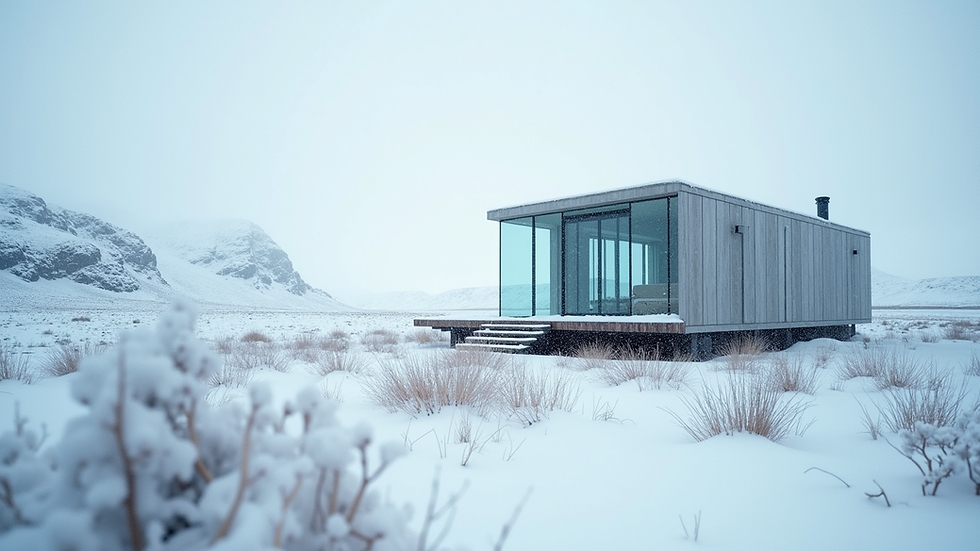
Imagine yourself wrapped in a cosy blanket, sipping hot cocoa in a tiny glass lodge, surrounded by pristine snow and silence. Suddenly, the sky ignites with ribbons of green light swirling overhead. This is the kind of unforgettable moment that luxury travellers seek. Privacy and comfort combined with nature’s grandeur create a perfect harmony.

When Is the Best Time for Aurora Viewing in Iceland?
Timing is everything when it comes to aurora viewing in Iceland. The months from October to March are generally considered the prime season. During this period, the nights are longest and darkest, providing the perfect canvas for the lights to shine. December and January offer the longest nights, but they also come with harsher weather and shorter daylight hours.
If you prefer a balance between daylight activities and aurora hunting, late September and early April are excellent choices. The nights are still dark enough, but the weather tends to be milder. Plus, you get to enjoy Iceland’s stunning landscapes in daylight, from glaciers to geothermal springs.
To maximise your chances, keep an eye on the aurora forecast and weather reports. Clear skies are essential. Cloud cover can completely obscure the lights, no matter how strong the solar activity is. Many luxury retreats, including tiny glass lodges, offer real-time updates and private guides who know the best spots for viewing.
For those who want to plan ahead, the best time to see northern lights iceland is a helpful resource that combines scientific data with local expertise. It’s a must-read for anyone serious about catching the aurora in all its glory.
How Long Will the Northern Lights Be Visible?
One of the most common questions I get is: How long will the Northern Lights be visible? The answer is wonderfully unpredictable. The aurora can appear for just a few minutes or dance across the sky for several hours. Sometimes, it’s a faint glow on the horizon; other times, it explodes into a full-blown light show.
Typically, the best viewing window is between 9 PM and 2 AM. This is when the sky is darkest and solar activity tends to peak. However, the lights can appear earlier or later, depending on conditions. Patience is key. I’ve waited in freezing temperatures for hours, only to be rewarded with a spectacular display that made every moment worth it.
If you’re staying in a luxury glass lodge, you can watch the aurora from the comfort of your bed or hot tub. This means you don’t have to brave the cold for long stretches. Instead, you can relax and be ready to step outside the moment the lights appear.
Practical Tips for Planning Your Northern Lights Experience
Planning a trip to see the Northern Lights in Iceland requires a bit of strategy. Here are some practical tips to help you make the most of your aurora adventure:
Choose accommodation wisely: Opt for remote lodges or tiny glass cabins away from city lights. This reduces light pollution and increases your chances of seeing the aurora.
Check the weather forecast: Clear skies are essential. Use apps and websites dedicated to aurora and weather forecasts.
Stay for several nights: The Northern Lights are a natural phenomenon and can be unpredictable. A longer stay increases your chances.
Dress warmly: Icelandic nights can be bitterly cold. Layer up with thermal wear, insulated jackets, hats, and gloves.
Bring a good camera: Capturing the aurora requires a camera with manual settings and a tripod. Many lodges offer photography workshops.
Be flexible: Sometimes, the best displays happen late at night or early in the morning. Be ready to adjust your schedule.
Luxury travellers often appreciate private tours that take them to secret spots known only to locals. These tours provide not just privacy but also expert guidance, ensuring you don’t miss a moment of the spectacle.

Embracing the Northern Lights as a Luxury Experience
The Northern Lights are more than just a natural wonder; they are a gateway to a profound connection with nature. For those seeking privacy and exclusivity, Iceland offers unique luxury retreats that blend comfort with wilderness. Tiny glass lodges, for example, provide an intimate setting where you can watch the aurora from your own private sanctuary.
Imagine waking up to the soft glow of the aurora reflected on snow-covered mountains, or soaking in a hot tub while the sky performs its nightly dance. These moments are priceless. They transform a simple trip into a deeply personal journey.
When you choose the right time and place, the Northern Lights become a private show just for you. The combination of Iceland’s pristine environment, expert local knowledge, and luxurious accommodation creates an experience that stays with you forever.
Planning Your Trip: Final Thoughts on Timing and Experience
Choosing the top times for Northern Lights in Iceland is about more than just picking dates. It’s about crafting an experience that balances nature’s unpredictability with your desire for comfort and privacy. The months from October to March offer the best opportunities, but with the right planning, you can enjoy the aurora in late September or early April too.
Remember, the Northern Lights are a gift from the universe. They require patience, respect, and a bit of luck. But when the sky finally lights up, every moment of waiting melts away into pure wonder.
If you want to maximise your chances and enjoy a truly luxurious stay, consider booking a tiny glass lodge. These retreats are designed to immerse you in Iceland’s beauty while providing all the comforts you deserve. Your private window to the aurora awaits.
So pack your warmest clothes, prepare your camera, and get ready for an unforgettable journey. The Northern Lights in Iceland are calling - and the best time to answer is now.


Comments